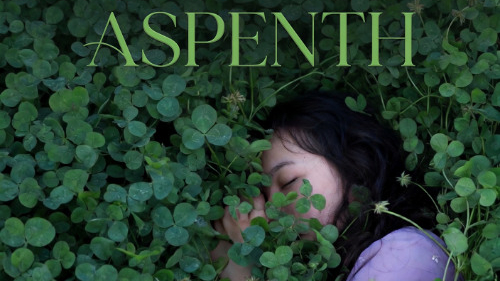
Aspenth’s “Clovers for Danielle” unfolds as an emotionally resonant folk composition that captures the quiet devastation of leaving behind a place that once defined every part of a person’s identity. Rather than relying on grand gestures or dramatic production, the song embraces restraint, allowing its heartfelt storytelling to take center stage. From its opening moments, it establishes an atmosphere of peace and belonging before gently guiding listeners into a narrative shaped by inevitable separation. The contrast between comfort and sorrow becomes the emotional backbone of the song, making Danielle’s journey feel both deeply personal and universally relatable.
Musically, the track thrives through its understated, organic arrangement. The acoustic instrumentation creates a warm pastoral atmosphere that immediately evokes images of open fields, blooming landscapes, and the tranquility of nature. Every melodic phrase feels intentionally placed, providing enough space for the story to breathe while subtly reinforcing its emotional direction. As the narrative progresses, the production gradually evolves alongside Danielle’s experience. Bright, comforting textures slowly give way to a softer, more hollow sonic environment, mirroring the gradual disappearance of hope and familiarity. This careful evolution demonstrates a thoughtful approach to musical storytelling, where every production choice contributes directly to the emotional weight of the composition.
Aspenth delivers the vocal performance with remarkable intimacy and sincerity. Instead of relying on powerful vocal flourishes, the performance embraces vulnerability through a soft, conversational delivery that feels deeply authentic. Every lyric carries the weight of lived experience, inviting listeners into Danielle’s emotional world without ever feeling exaggerated. The subtle shift in vocal expression throughout the song is particularly compelling, moving from gentle remembrance toward quiet resignation as reality settles in. This progression allows the emotional impact to build naturally, making the final moments feel especially poignant. It is a performance that understands the strength found in subtlety, allowing emotion to emerge through honesty rather than theatrical expression.
The songwriting stands as one of the song’s greatest achievements, painting vivid emotional landscapes through carefully chosen imagery. Danielle’s world is initially filled with vibrant scenes of blooming flowers, rolling greenery, and peaceful skies, establishing a sanctuary that feels alive with possibility. As the narrative unfolds, these comforting images are replaced by striking contrasts that symbolize both environmental and emotional decline. Green fields become brown, bright skies grow dim, and familiar surroundings fade into uncertainty. These visual transformations mirror the protagonist’s internal grief, illustrating how displacement affects not only physical surroundings but also one’s sense of identity and belonging. The recurring symbolism of clovers becomes especially meaningful, representing memories and emotional roots that remain long after home has been left behind.
Ultimately, “Clovers for Danielle” is a beautifully crafted piece of songwriting that demonstrates the emotional power of simplicity. Aspenth successfully transforms a deeply personal story into an experience that resonates with anyone who has faced change, loss, or the painful necessity of leaving something precious behind. Through its delicate instrumentation, heartfelt vocal performance, thoughtful production, and vividly poetic lyricism, the song leaves a lasting emotional impression that extends well beyond its final note. Rather than seeking dramatic resolution, it embraces quiet reflection, reminding listeners that some of life’s most profound emotions are expressed not through grand declarations, but through the gentle echoes of memories that continue to bloom long after we have moved on.