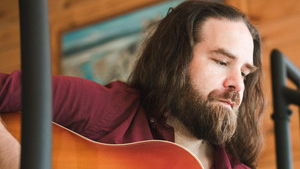
“From the Table to the Cross” by Chuck Royer and Chris Blackwell is a deeply moving Christian contemporary song that transforms the biblical story of Christ’s Passion into an intimate meditation on grace, sacrifice, and personal redemption. Rather than presenting the Last Supper and Crucifixion as distant historical events, the song brings them into the listener’s present emotional experience, creating a powerful connection between Scripture and personal faith. Its slow-burning intensity immediately establishes a reflective atmosphere, allowing the gravity of the subject matter to unfold naturally rather than rushing toward an emotional climax. The songwriting carries a strong devotional quality, turning familiar biblical imagery into something personal and immediate. There is a sense that the listener is not simply being told the story of Christ’s final hours but is being invited to contemplate what those moments mean for their own life.
The production reinforces this sense of sacred intimacy through an intentionally restrained and atmospheric arrangement. Soft cinematic piano provides much of the emotional foundation, while ambient textures expand the sonic space without overwhelming the central message. The instrumental layers are introduced with patience, gradually increasing the song’s density as the narrative moves forward. This slow development gives the track a cinematic quality, particularly because the arrangement mirrors the emotional progression from the Last Supper toward Gethsemane and ultimately the Cross. When percussion enters, its steady pulse carries an almost heartbeat-like quality, adding physical urgency without disrupting the contemplative character of the composition. The production succeeds because it understands the importance of space, allowing silence, sustained notes, and gradual instrumental movement to contribute as much to the emotional impact as the sounds themselves.
The vocal performances provide another major strength, combining vulnerability, restraint, and spiritual conviction. In the opening passages, the delivery feels conversational and intimate, drawing the listener closer to the narrative surrounding the Last Supper. As the song progresses toward the emotional intensity of Gethsemane, the vocals expand into more expressive and soaring passages, effectively capturing the anguish, surrender, and profound emotional weight of Christ’s sacrifice. The phrasing is particularly important because the performers give significant lines room to breathe rather than treating them as ordinary lyrical statements. The delivery of the image, “There wasn’t just bread in his hands at night; It was grace being poured into my life,” demonstrates how effectively the vocal approach turns physical biblical imagery into a deeply personal confession of faith. The performances remain sincere rather than theatrical, which makes the emotional peaks feel earned and spiritually grounded.
Lyrically, “From the Table to the Cross” is especially effective in the way it connects the intimacy of the Last Supper with the brutality of Christ’s suffering. The song begins with the imagery of bread, fellowship, and communion before gradually moving toward the isolation and agony of Gethsemane, creating a striking contrast between tenderness and suffering. The reference to sweat falling like blood intensifies this progression, reminding the listener that the grace being celebrated came through genuine physical and emotional anguish. This movement gives the song a strong narrative structure, with each image carrying the listener further into the Passion story while simultaneously drawing attention back to personal salvation. The songwriting never loses sight of its central theme: Christ’s sacrifice was not merely an event to remember but an expression of love that reaches directly into the believer’s life.
The song ultimately finds its emotional resolution in humility, particularly through the closing realization, “I don’t deserve that kind of love / But he don’t see me the way I was.” These words bring the entire narrative full circle, transforming the historical journey from the table to the Cross into a personal encounter with grace. After the weight of the Passion, the song does not conclude with spectacle but with surrender, gratitude, and the recognition of unconditional love. Chuck Royer and Chris Blackwell have therefore created more than a retelling of familiar biblical events; they have crafted an immersive worship experience built on atmospheric production, emotionally committed vocals, thoughtful lyrical imagery, and a carefully controlled musical progression. “From the Table to the Cross” succeeds because it makes the magnitude of Christ’s sacrifice feel both timeless and personal, leaving the listener with a quiet but profound reminder that the story of the Cross is ultimately a story of grace reaching directly into human life.