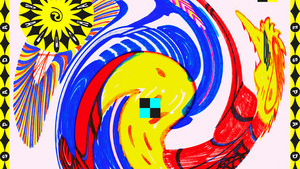
“Wake Up” by Clauberg emerges as a dark, immersive electronic composition that transforms dystopian sound design into a profound philosophical confrontation. The track immediately establishes its atmosphere through a stark, minimalistic approach, opening with cold synthesized pulses that resemble the mechanical rhythm of an artificial world. These clinical electronic textures create a sense of isolation and unease, drawing the listener into a sonic environment where humanity feels small against something far greater and more indifferent. The production carefully builds around industrial influences, using synthetic drones, mechanical movements, and metallic percussion to create a soundscape that feels both futuristic and unsettling. Every instrumental choice reinforces the song’s central idea of confronting uncomfortable truths rather than escaping them.
At the heart of “Wake Up” is Clauberg’s commanding vocal delivery, which functions as both a narrator and a warning voice throughout the track. Rather than relying on a traditional melodic performance, the artist embraces a rhythmic, semi spoken word approach that gives the lyrics a powerful sense of authority. The vocal treatment is sharp and clear, allowing every phrase to cut through the dense electronic atmosphere with precision. The restrained, almost emotionless delivery reflects the cold logic embedded within the song’s themes, while moments of increased urgency introduce a growing sense of alarm. This contrast between controlled narration and intense vocal emphasis creates a compelling tension between human emotion and the unforgiving realities the song explores.
The lyrical foundation of “Wake Up” presents a direct challenge to humanity’s perception of itself and its place in existence. Clauberg explores themes of ego, mortality, and cosmic insignificance, rejecting the idea that humanity occupies a central position in the universe. The imagery of humans as “dust with delusions of grandeur” delivers a powerful critique of arrogance and self importance, forcing listeners to reconsider their assumptions about purpose and destiny. The song’s rejection of traditional interpretations of fate in favor of “pure math” creates a world where existence is governed by systems, patterns, and forces beyond human control. Through the repeated reminder that “the universe doesn’t orbit you,” Clauberg strips away comforting illusions and presents a challenging perspective on identity and survival.
The song’s arrangement mirrors its philosophical progression, gradually increasing in intensity as the electronic elements become more overwhelming and forceful. The mechanical rhythms and expanding layers of sound create the feeling of an approaching revelation, matching the repeated warning that “the illusion’s going to break.” The repetition of the phrase “Wake up” becomes more than a simple command; it becomes a psychological trigger that pushes the listener toward awareness. The combination of precise electronic production and increasingly urgent vocal patterns creates a dramatic sense of movement, as though the track itself is breaking through layers of denial and forcing a confrontation with reality.
Ultimately, “Wake Up” stands as a bold example of how electronic music can function as both an artistic experience and a philosophical statement. Clauberg uses sound, structure, and vocal performance to create a piece that feels less like a conventional song and more like an existential transmission from a collapsing future. Its haunting atmosphere, uncompromising lyrical message, and carefully constructed production make it a memorable exploration of humanity’s relationship with the universe. By the time the final synthetic elements fade away, the listener is left with a lingering sense of reflection, challenged to examine the illusions that shape their understanding of existence. “Wake Up” succeeds because it does not seek to comfort; it seeks to awaken.