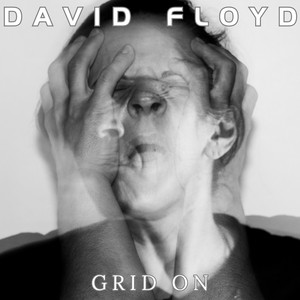
“Grid On” by David Floyd is a compelling and deeply immersive piece of experimental rock that transforms emotional exhaustion, betrayal, and psychological endurance into a powerful sonic experience. From its opening moments, the track establishes an atmosphere that feels simultaneously expansive and suffocating, drawing the listener into an emotional landscape where tension is not simply an element of the music but its central language. Floyd builds this world with a cinematic sensibility, allowing the composition to feel larger than a conventional rock song while maintaining an intensely personal emotional core. There is a sense of movement throughout the track, but it is movement born from necessity rather than freedom, reflecting the experience of someone forcing themselves forward while carrying the accumulated weight of disappointment, manipulation, and emotional fatigue.
The guitar work is particularly effective in communicating this internal struggle. The persistent, driving guitar motif creates a hypnotic foundation that continually pushes the song forward, while its repetition becomes increasingly significant as the composition develops. Rather than relying on constant structural changes, Floyd allows repetition to become an expressive device, creating the sensation of being trapped inside a thought or emotional cycle that refuses to disappear. The layered guitars gradually generate a dense wall of sound, giving the instrumental arrangement a physical quality that mirrors psychological pressure. This approach gives “Grid On” its post-rock character, where atmosphere, dynamics, texture, and gradual accumulation become just as important as conventional melody. The instrumentation feels deliberately restless, creating an almost relentless momentum that makes the listener feel the urgency behind the song’s emotional message.
The lyrical narrative provides the emotional foundation beneath this expansive musical framework. Floyd approaches the subject of a toxic relationship with striking directness, portraying betrayal not as a single moment of heartbreak but as a prolonged process of emotional depletion. The words “You said you care for me, you failed me” immediately establish the conflict between promised affection and lived experience, while the image of having one’s future destroyed before its framework can even be preserved communicates an especially profound sense of loss. Perhaps the most devastating emotional image comes through the admission that his hands have no skin left to pull someone toward the light. That metaphor captures the exhaustion of repeatedly trying to rescue a relationship that has become destructive, suggesting that persistence itself has reached its physical and emotional limit. The lyrics therefore complement the repetitive instrumentation beautifully, because both elements communicate the same cycle of struggle, endurance, and eventual realization.
Floyd’s vocal performance further strengthens the track by functioning almost like an internal monologue unfolding within the surrounding soundscape. His delivery carries the emotional weight of someone processing painful experiences in real time, moving from the realization of being manipulated toward a more detached understanding of what must happen next. The recurring phrase “You pick up a box, and then grid on” becomes especially meaningful within this context, transforming into a mantra for survival and continuation. It suggests the ordinary physical actions that must continue even when emotionally, everything feels overwhelming. This contrast between mundane movement and profound psychological pain gives the song an understated humanity. Floyd does not need excessive lyrical explanation because the vocal performance, repetition, and surrounding atmosphere communicate the emotional progression naturally, allowing the listener to inhabit the experience rather than simply observe it.
Ultimately, “Grid On” succeeds because David Floyd understands how to make musical tension embody emotional tension. The song’s driving guitars, atmospheric production, minimalist lyrical approach, and deeply inhabited vocal performance work together to create a composition that feels like a journey through emotional devastation toward resilience. What makes the track particularly memorable is that its message of perseverance never feels detached from the pain that produced it. The music acknowledges exhaustion while continuing to move, and that contradiction becomes the heart of the song. “Grid On” is therefore not simply an experimental rock composition about surviving a toxic relationship; it is a sonic representation of what survival actually feels like when the emotional damage remains present but life demands that you keep moving. Floyd turns repetition into endurance, tension into catharsis, and personal turmoil into an atmospheric musical statement that leaves a lasting impression.