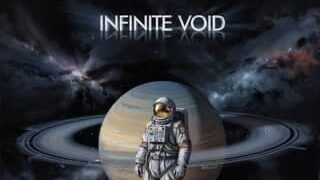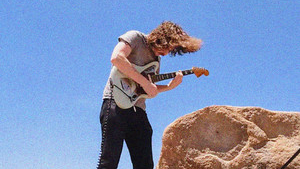
Paul Dunne’s “My Alien Drank All The Beer” is an intentionally unruly blend of surreal humor and grounded emotional energy, built on a garage rock foundation that thrives in imperfection. From its opening moments, the track establishes a tone that feels both spontaneous and conceptually playful, as if it were born from a late-night joke that gradually revealed deeper meaning. The absurd premise never undermines its seriousness; instead, it becomes the vehicle through which the song communicates frustration, loss of control, and the strange ways people process chaos.
Musically, the track is driven by raw distorted guitar work that prioritizes attitude over polish. The riffs are jagged and slightly unrefined, giving the impression of a performance that values immediacy over technical precision. The drums anchor the chaos with a steady punchy rhythm that prevents the song from collapsing into noise, while still allowing it to feel loose and unpredictable. The arrangement avoids excess layering, instead leaning into a stripped-down garage aesthetic that keeps the energy focused and direct.
The vocal performance plays a central role in shaping the song’s identity. Paul Dunne delivers his lines with a mixture of spoken urgency and rough melodic phrasing, creating a tone that feels half-confessional and half-ironic commentary. This duality is essential to the track’s impact, as it keeps the listener uncertain whether to interpret the narrative literally or metaphorically. Small cracks in the voice, shifts in intensity, and occasional near-shouts enhance the emotional texture, making the performance feel lived-in rather than performed.
Lyrically, the idea of an alien drinking all the beer functions as a surreal metaphor rather than a literal sci-fi story. The alien can be understood as a disruptive force, something external or internal that consumes comfort, stability, or emotional reserves. The humor embedded in the concept softens the underlying tension, allowing the song to explore themes of loss, escapism, and helplessness without becoming overly heavy. This balance between absurdity and emotional resonance places the track within a tradition of indie storytelling that uses bizarre imagery to express very human experiences.
Structurally and sonically, the song resists conventional pop formatting, opting instead for a fluid almost jam-like progression. Rather than clearly defined verse chorus cycles, it moves in waves of intensity guided by recurring motifs and shifts in energy. The production embraces a deliberately raw mix, with guitars pushed forward and vocals sitting in an unpolished center space. This aesthetic choice enhances the sense of immediacy, making the track feel like a captured moment rather than a meticulously constructed studio product. Ultimately, the song succeeds because it turns its chaos into identity, transforming humor, distortion, and narrative fragmentation into a cohesive artistic statement.