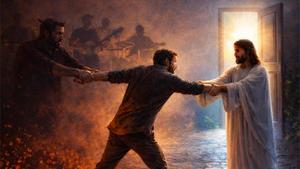
“The Devil’s Dance Floor” stands as a gripping piece of musical storytelling, merging confessional depth with cautionary intent in a way that feels both personal and universal. The song’s foundation in blues-infused rock gives it a timeless, almost ritualistic quality, while its structural progression mirrors the cyclical nature of addiction. From its opening moments, the track establishes a sense of unease, pulling the listener into a sonic environment where tension and release are not just musical choices but narrative devices that reflect the instability of the subject matter.
The musical arrangement is particularly effective in how it constructs atmosphere. The instrumentation operates less as accompaniment and more as an emotional landscape, shifting between restrained passages and explosive crescendos. This dynamic contrast captures the illusion of control that often precedes chaos. The rawness of the production enhances the authenticity of the experience, avoiding over-polish in favor of grit and immediacy. Percussive elements, resembling a steady heartbeat or a commanding march, reinforce the feeling of inevitability, as though the listener is being drawn step by step into the “dance” without escape.
Bob Martinez’s vocal performance is central to the song’s impact, delivering a deeply human portrayal of inner conflict. His voice carries a narrative weight, beginning with a measured, almost reflective tone that invites the listener into his story. As the song unfolds, his delivery becomes increasingly strained and impassioned, culminating in moments of raw, raspy intensity that feel almost cathartic. These vocal shifts effectively embody the dual nature of addiction; the deceptive calm of its onset and the anguish of its grip, making the performance feel lived-in rather than merely performed.
Lyrically, the song thrives on its use of allegory, framing addiction as a seductive yet ultimately destructive dance partner. Lines like “He came in disguise and with a smile I let him in” establish the theme of deception, while darker imagery such as “The lyrics screamed, ‘Your soul is mine to keep’” deepens the sense of entrapment. The admission, “I was just a puppet for my new master,” marks a turning point where control is fully surrendered. The emotional climax arrives with “Battered and beating, I fell on my knees and cried. Feeling the shame with nowhere to hide,” a moment of vulnerability that anchors the song’s message in stark reality. Yet, the narrative does not end in despair, offering redemption through the line, “Call out to the Lord and he’ll be there to pull you through your darkest days,” which reframes the story as one of hope and recovery.
Ultimately, “The Devil’s Dance Floor” succeeds because it aligns every musical and lyrical element toward a singular emotional truth. The interplay between its blues-rock roots and its modern, confessional approach creates a piece that feels both grounded and immediate. It is not merely a song about addiction; it is an experiential portrayal of it, capturing the seduction, the descent, and the possibility of redemption with unflinching honesty.