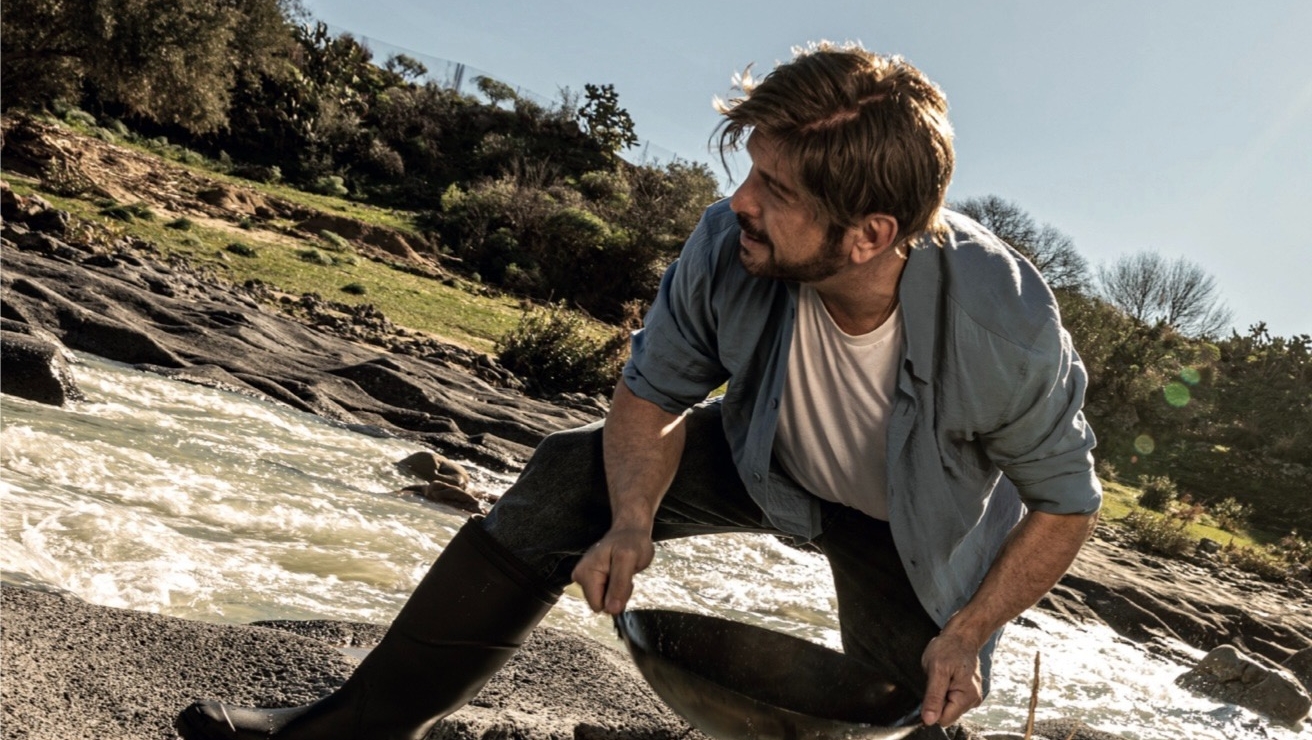
Giuseppe Cucè, born in Catania on September 8, 1972, is a passionate singer-songwriter whose work blends tradition, emotion, and introspection. Drawing inspiration from painting, contemporary dance, and writing, he channels his inner world into songs rich with “Saudade.” Collaborating with longtime partners Riccardo Sanperi and Francesco Bazzano, his 2008 album La Mela e il Serpente showcases his emotional depth. Cucè’s artistry has earned him performances in prestigious Parisian theaters, including Le Trianon and L’Alhambra, cementing his reputation as a soulful, expressive musician.
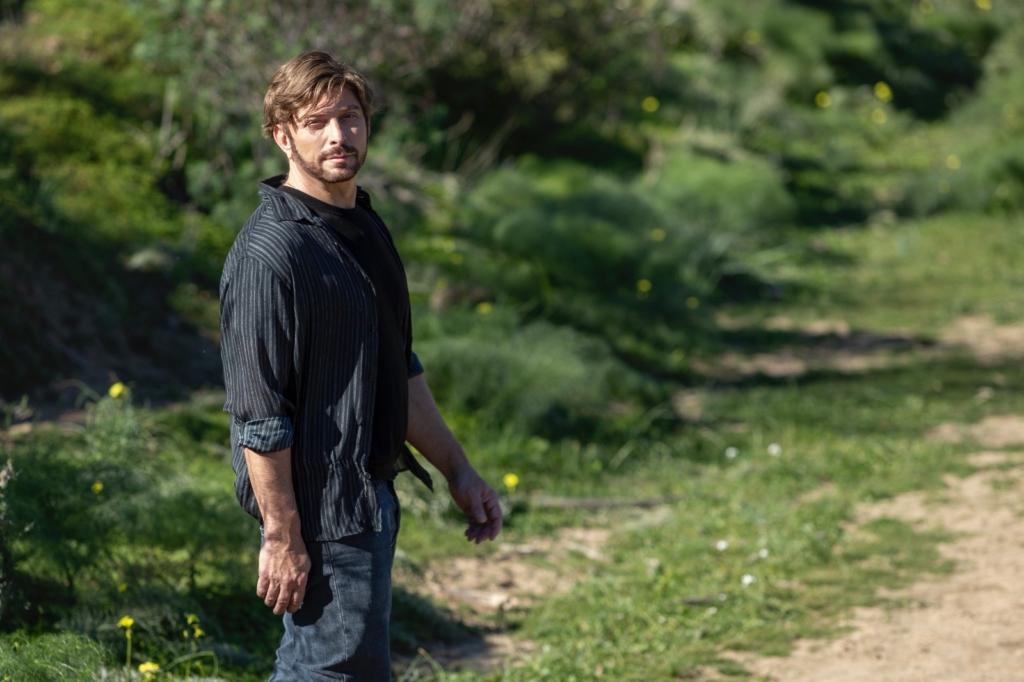
Giuseppe Cucè’s “21 grammi”, released on June 20th, 2025, is a masterclass in emotional storytelling and cinematic songwriting. The album unfolds as a deeply personal reflection on identity, transformation, and the invisible weight we carry through life, encapsulated by its symbolic title referencing the soul’s 21 grams. Each track is a fragment of an introspective journey, exploring doubt, desire, separation, and acceptance with poetic honesty. Unlike contemporary releases dominated by singles and viral hooks, “21 grammi” prioritizes narrative cohesion, inviting listeners into a slow, immersive experience that rewards attentive listening.
Musically, the album blends Mediterranean singer-songwriter traditions with orchestral and Latin-rooted textures, creating warm, analog soundscapes rich in strings, piano, and Hammond organ. Cucè favors real instruments over synthetic production, giving the songs room to breathe and emphasizing human imperfection as a source of emotional resonance. Tracks like “El mundo es verdadero,” highlighted with a music video, exemplify the album’s cinematic depth, marrying cantautorale storytelling with lush arrangements that evoke both intimacy and grandeur. The restrained use of electronic elements ensures that the focus remains on melody, atmosphere, and lyrical vulnerability.
21 grammi Album Track List:
La mia dea:
“La mia dea” is one of the most intimate and evocative tracks on Giuseppe Cucè’s “21 grammi”, exemplifying his gift for creating space and subtlety in music. The piano leads with gently arpeggiated chords, forming a delicate foundation over which strings and layered harmony vocals float, producing a celestial warmth that feels both personal and expansive. Minimal percussion maintains an organic pulse, allowing Cucè’s reverent, vulnerable vocals to take center stage, their nuanced dynamics highlighting the track’s lyrical devotion. The arrangement’s restraint, favoring real instruments and natural textures, enhances the song’s meditative quality, letting each note breathe. Its harmonic richness and serene pacing craft a sacred, almost prayer-like atmosphere, blending elegance with emotional depth. In “La mia dea”, Cucè demonstrates how intimacy and simplicity can convey profound spirituality, creating a listening experience that is both moving and quietly transcendent.
Cuore d’inverno:
“Cuore d’inverno” is a striking track on Giuseppe Cucè’s “21 grammi”, immersing listeners in a cinematic and melancholic soundscape. Strings, piano, and subtle brass converge to create an expansive musical canvas that feels both intimate and grand. Cucè’s vocals rise and fall with controlled intensity, guiding the listener through moments of introspection while blending seamlessly with the orchestration. The track’s rhythm breathes with pauses and legato phrasing, allowing harmonic tension and release to emerge naturally, giving each note room to resonate. Occasional electric guitar lines introduce textural contrast, while minor-to-major harmonic shifts underscore a bittersweet emotional journey. The arrangement evokes quiet winter nights, capturing a sense of solitude, reflection, and lingering emotional depth. In “Cuore d’inverno”, Cucè demonstrates his mastery of space and orchestral storytelling, creating a composition that is both deeply reflective and atmospherically rich, leaving a lasting impression long after the music fades.
Tutto quello che vuoi:
“Tutto quello che vuoi” is a standout track on Giuseppe Cucè’s “21 grammi”, blending artful pop sensibilities with heartfelt storytelling. Bright, chiming guitars lead the arrangement, complemented by a gentle forward pulse anchored by warm bass and crisp percussion, giving the song both momentum and lightness. Cucè’s vocals are conversational yet melodic, delivering the lyrics with intimacy and quiet confidence, while subtle backing harmonies enrich the texture without overshadowing the narrative. The track balances uplifting musical energy with reflective lyrical content, creating a sense of hope and emotional depth simultaneously. Its arrangement emphasizes forward motion and optimism while remaining grounded in the album’s introspective core, allowing listeners to feel both uplifted and connected. In “Tutto quello che vuoi”, Cucè demonstrates his ability to merge accessibility with sophistication, crafting a song that is approachable, emotionally resonant, and a perfect example of his nuanced pop-cantautorale artistry.
Di estate non si muore:
“Di estate non si muore” closes Giuseppe Cucè’s “21 grammi” with a balance of warmth and existential reflection, transforming the album’s emotional journey into a celebration of resilience and hope. The track opens with warm guitar tones and a gently inviting rhythmic motion that evokes sunlit landscapes, while Cucè’s reflective vocals carry both nostalgia and quiet optimism. The arrangement blends acoustic intimacy with subtle modern touches, including tambourines, light synth textures, and a buoyant, almost dance-like pulse that contrasts with the deeper, more introspective weight of earlier tracks. Lyrically, the song frames summer as a metaphor for emotional endurance, capturing the sense of survival and continuity rather than literal immortality. Cucè’s vocal delivery is urgent yet gracious, grounding the song in lived experience while encouraging listeners to embrace the moment. “Di estate non si muore” offers a poetic, affirming finale, leaving the album on a note of light, enduring reflection.
The album’s strength lies in its emotional transparency. Cucè channels personal moments of rupture and transformation into a cohesive concept, reflecting on love, loss, and the truths that linger in silence. This approach fosters an intimate connection with the listener, turning each song into a shared space of reflection. Moments of pause and subtle orchestration are as significant as the notes themselves, allowing the music to resonate slowly and linger long after the final track ends.
“21 grammi” is a deliberate, enduring artistic statement. It defies fleeting trends, embracing analog warmth, narrative depth, and Mediterranean sensibility. This is not music meant for instant consumption; it is music that asks for presence, rewarding patience with profound emotional and cinematic richness. Cucè has crafted an album that speaks to the soul and lingers there, offering a rare, timeless listening experience.