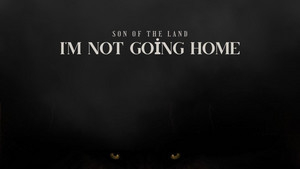
“I’m Not Going Home” by Son of the Land (Kevin Gilligan) is a haunting piece of folk blues storytelling that operates as a chilling character study. Musically, the track relies on a stripped back, gritty arrangement that prioritizes the weight of the vocal performance and the rhythmic tension of the instrumentation. The steady, hypnotic pulse of the rhythm section mimics a heartbeat or a relentless march, reinforcing the narrator’s predatory and immovable presence.
The instrumentation is sparse, utilizing a dark, acoustic foundation that feels both intimate and expansive. The production choices lean into a raw, live recorded aesthetic, allowing the subtle nuances of the guitar work, often punctuated by sharp, percussive accents, to drive the song’s momentum. The arrangement builds through a brooding atmosphere, where dissonant musical textures are layered to create a sense of unease, perfectly mirroring the lyrical themes of displacement and theft.
Lyrically, the song is a masterclass in the villain perspective. Gilligan crafts a narrator who is self aware and unapologetic, using direct, visceral imagery to describe the systematic stripping of dignity. Lines like, “I’ll steal the heat out from your bed / I’ll steal the teeth out from your head,” highlight the cold, clinical nature of the oppressor. The track explores deeper socio political undercurrents as well, particularly in lines like, “I divide to conquer / I divide to spread,” which serve as a stark commentary on the manipulation of the vulnerable.
The vocal delivery is textured and weathered, shifting from a menacing, low register murmur to a more forceful, almost confrontational intensity. This dynamic performance deepens the psychological tension, drawing the listener further into the unsettling mindset of the narrator. The voice does not merely carry the story; it embodies it, amplifying the sense of dread and inevitability that runs through the song.
Ultimately, “I’m Not Going Home” stands as a bleak, powerful, and impeccably constructed work that lingers long after it ends. Its fusion of raw instrumentation, evocative storytelling, and commanding vocal presence creates an experience that is as unsettling as it is compelling. By forcing the listener to confront the mechanics of human greed through such an unflinching lens, the song secures its place as a striking and thought provoking piece of modern folk blues.